Introduction
In today's fast-paced globe, the demand for practical and ready-to-eat food products is on the increase. This has actually led to an increased dependence on contract food manufacturing, where business contract out the manufacturing of their food products to specific producers. Nevertheless, one element that is typically forgotten in the contract production procedure is efficient food storage space and distribution. In this short article, we will check out the relevance of effective food storage space as well as distribution in agreement production and also its impact on the general top quality and also success of food products.
The Duty of Contract Food Manufacturing in Australia
Australia has a prospering food industry, with a large range of neighborhood as well as worldwide brand names catering to the varied preferences and also choices of contract food manufacturing australia customers. Contract food manufacturing plays an important function in this market by providing firms with the necessary sources, proficiency, as well as framework to successfully generate their food. From small startups to large corporations, many services count on acquire makers to bring their cooking productions to life.
Contract Food Production in Brisbane: A Hub for Innovation
Brisbane, the funding city of Queensland, is recognized for its lively food scene and ingenious cooking offerings. It comes as not a surprise that contract food manufacturing has prospered in this region. With advanced facilities and also a competent labor force, contract food producers in Brisbane are well-equipped to manage the production needs of numerous companies. Whether it's developing new dishes or scaling up manufacturing, these manufacturers play a critical function in bringing scrumptious food products to consumers' plates.
Ensuring High quality: The Trick to Successful Agreement Food Manufacturing
When it pertains to contract food manufacturing, guaranteeing item quality is vital. Suppliers must follow strict requirements and guidelines established by authorities such as the Australian Food Requirement Code and Great Manufacturing Practices (GMP). From component sourcing to production processes, every action should be diligently prepared and also performed to maintain the best quality requirements. This not only guarantees client complete satisfaction but also helps build trust fund and also reputation for both the contract supplier and the brand they are creating for.
The Obstacles of Food Storage in Contract Manufacturing
Efficient food storage is an important facet of contract production. The appropriate storage space of raw materials, components, as well as ended up products is vital to maintain their quality and quality. However, this can be difficult, specifically when dealing with perishable items or large quantities of stock. Aspects such as temperature control, packaging stability, and also inventory management play an essential role in ensuring that food continue to be secure for intake throughout the supply chain.
Overcoming Storage Challenges: Modern Technology as well as Innovation at Play
In recent years, advancements in technology have actually revolutionized the method food is stored and also distributed in agreement manufacturing. From state-of-the-art refrigeration systems to innovative supply monitoring software application, makers now have accessibility to tools that can streamline their operations and make certain optimal storage space problems. These technical innovations not only boost food safety and security however also boost performance and also decrease wastefulness, inevitably profiting both the manufacturer and also the end consumer.
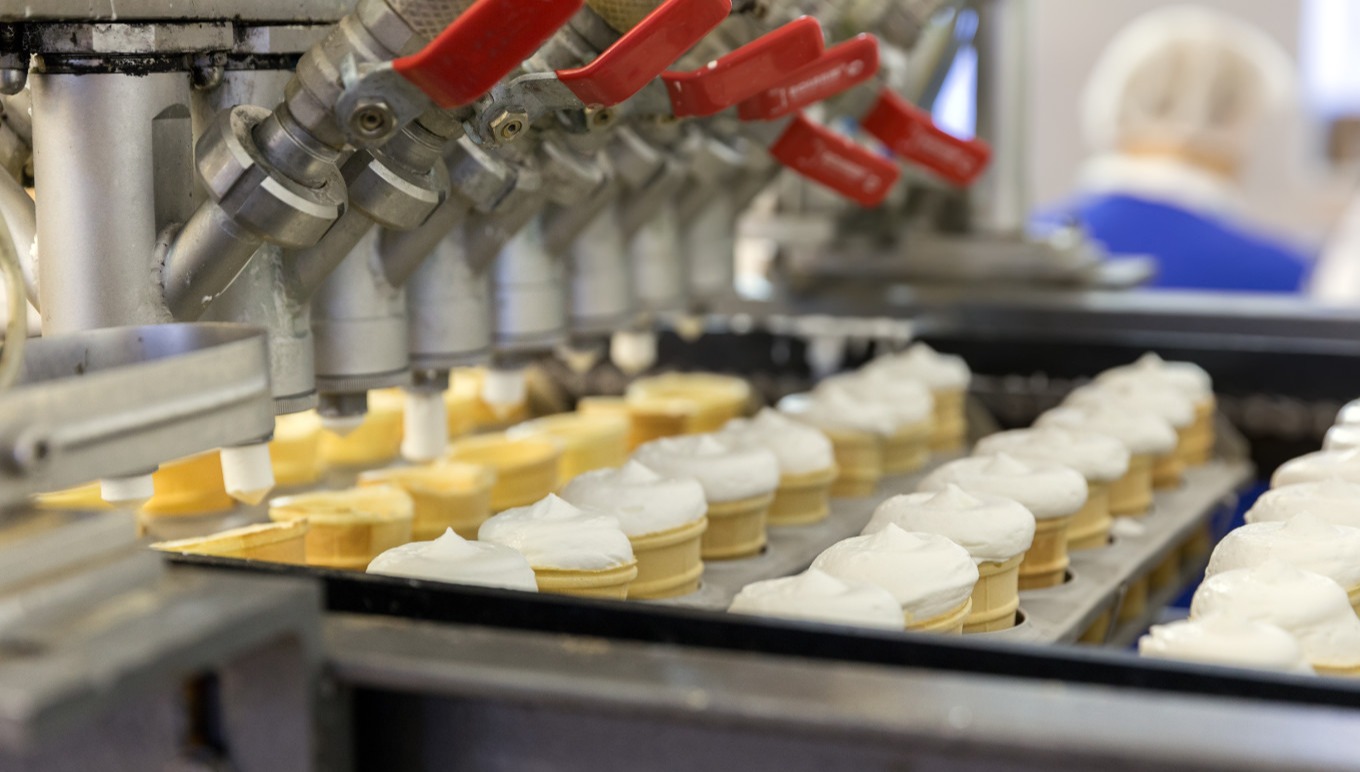
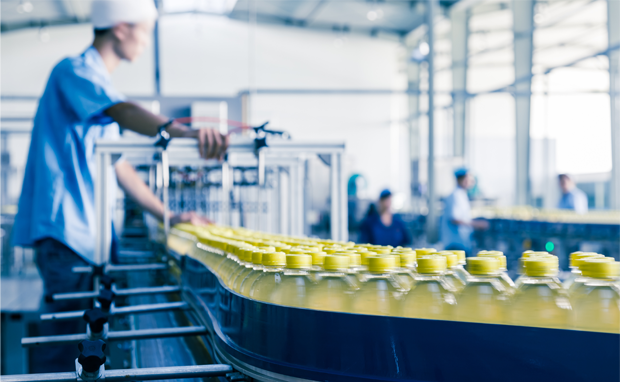
The Significance of Efficient Food Distribution
Efficient food distribution is an additional important element of successful agreement production. When the food products are manufactured and also stored suitably, they require to reach their desired locations quickly. Prompt shipment makes sure that the products remain fresh as well as meet client assumptions. In addition, reliable distribution additionally lessens expenses associated with transport and logistics while maximizing total productivity.
From Farm to Fork: The Trip of Food Products
The journey of food from ranch to fork includes multiple stages, each calling for cautious preparation as well as implementation. Let's take a closer check out each step associated with this process:
Sourcing Raw Materials: Agreement food suppliers work carefully with providers to resource top quality basic materials for their items. This consists of every little thing from fresh fruit and vegetables to seasonings, condiments, and also packaging materials.
Food Production: Once the raw products are sourced, the agreement maker adheres to a collection recipe as well as production procedure to create the desired foodstuff. This involves different methods such as food preparation, baking, blending, and also packaging.
Quality Control: Throughout the production procedure, quality control steps are carried out to guarantee that the completed product meets all security as well as top quality criteria. This consists of regular evaluations, testing, and adherence to regulative requirements.
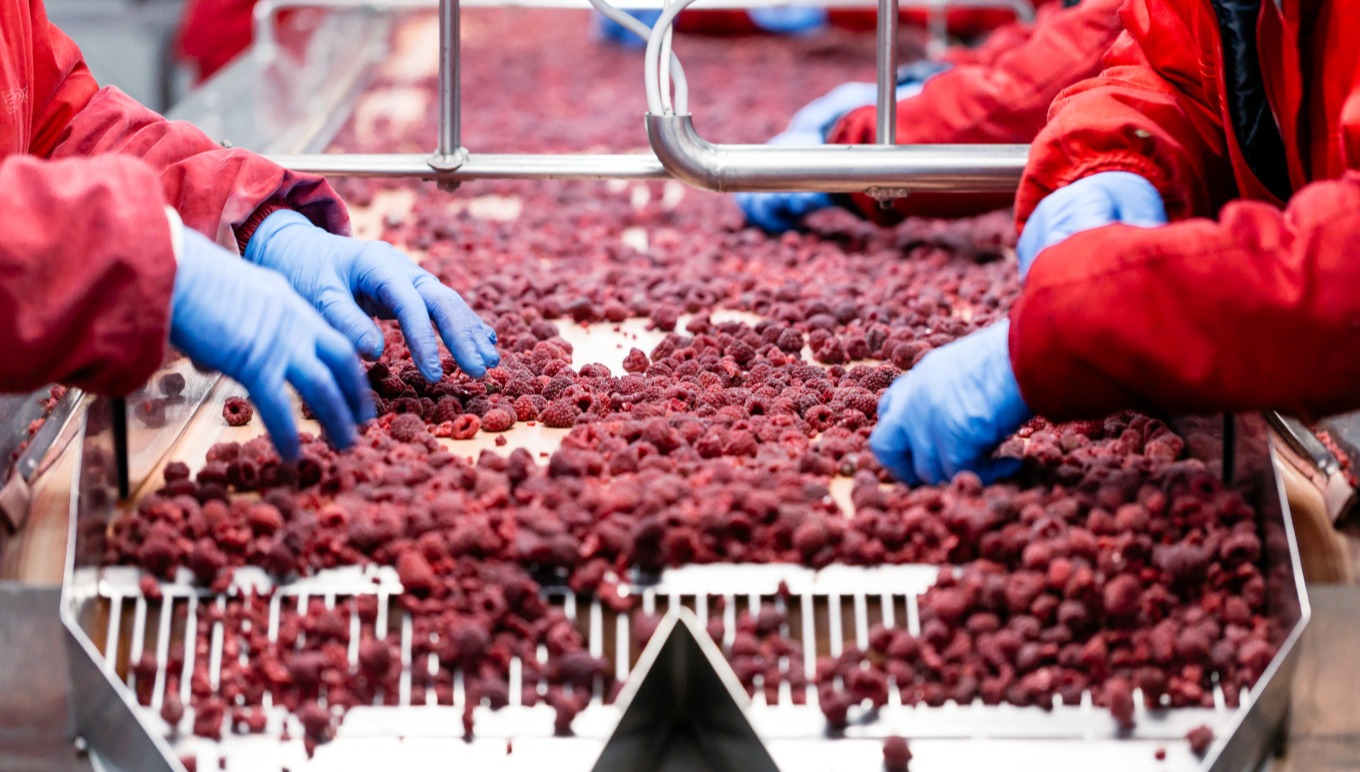
Food Packaging: After the item is made, it is meticulously packaged to keep its freshness as well as integrity during transportation and also storage. Contract suppliers frequently supply tailored packaging services tailored to satisfy the specific requirements of their clients.
Storage as well as Distribution: Once packaged, the food products are kept in suitable problems to preserve their top quality. From temperature-controlled stockrooms to efficient logistics networks, contract makers guarantee that the products are distributed effectively and also reach their destinations on time.
FAQs
What is contract food manufacturing? Contract food manufacturing describes contracting out the manufacturing of food to specialized makers. This permits businesses to focus on various other facets such as marketing and also circulation while making certain top quality items for their customers.
Why do firms select contract food manufacturing in Australia? Business pick contract food manufacturing in Australia for various factors, including cost-effectiveness, access to specific competence, conformity with regulative requirements, as well as scalability of production.
What are the benefits of contract food manufacturing? The benefits of contract food manufacturing include reduced capital investment, access to innovative innovations and equipment, boosted production performance, faster time-to-market, and also versatility in conference transforming market demands.
What is the duty of food packaging in contract manufacturing? Food product packaging plays a critical role in contract production as it ensures item security as well as prolongs life span. It likewise serves as an advertising device by providing details about the item and also boosting its visual appeal.
How essential is food safety in agreement manufacturing? Food safety is of utmost importance in agreement production. Adhering to strict food safety and security standards guarantees that the items are safe for intake as well as helps develop consumer trust.
How does effective food storage and circulation impact the success of contract manufacturing? Reliable food storage and also circulation play a significant duty in the success of agreement production. They guarantee that food products stay fresh, reach customers on time, as well as keep their high quality throughout the supply chain.
Conclusion
Efficient food storage and distribution are vital parts of successful agreement production. From making sure product top quality to lessening waste and meeting customer assumptions, every aspect of the supply chain plays a considerable role in supplying secure as well as top quality foodstuff to customers. By leveraging technological innovations, adhering to regulative standards, as well as focusing on customer fulfillment, agreement makers can improve their competitiveness in the marketplace while contributing to the general development of the Australian food industry.